
Online Sexual Assault Therapy in California
Your body learned to protect you. Now it won't stop.
You flinch at things other people don't notice. You scan for danger before you can relax. You leave yourself before anyone else can. You've adapted so well that no one sees what it costs you to get through a day.
Something's been off for a long time. You might not even call it trauma anymore.
But it shows up. Perfectionism that won't quit, people-pleasing that leaves you empty, shame that sits underneath everything even when you can't name why. Intimacy that feels like a threat. Exhaustion that sleep doesn't fix.
These aren't separate problems. They're connected. Sexual assault reshapes what feels safe, who you let in, how you exist in your own body. And most therapy wasn't built to treat it.
Healing from sexual trauma takes more than someone nodding along while you tell your story. It takes a therapist who specializes in this and knows how to help you move through it. At Willow & Sage Therapy Collective, that's exactly who we are. Other therapists trust us with their most complex cases. You get that same expertise and understanding from your very first session.
You're not broken. You're not dramatic. You're looking for real help.
This is where you'll find it.
Meet Our Sexual Assault Specialist
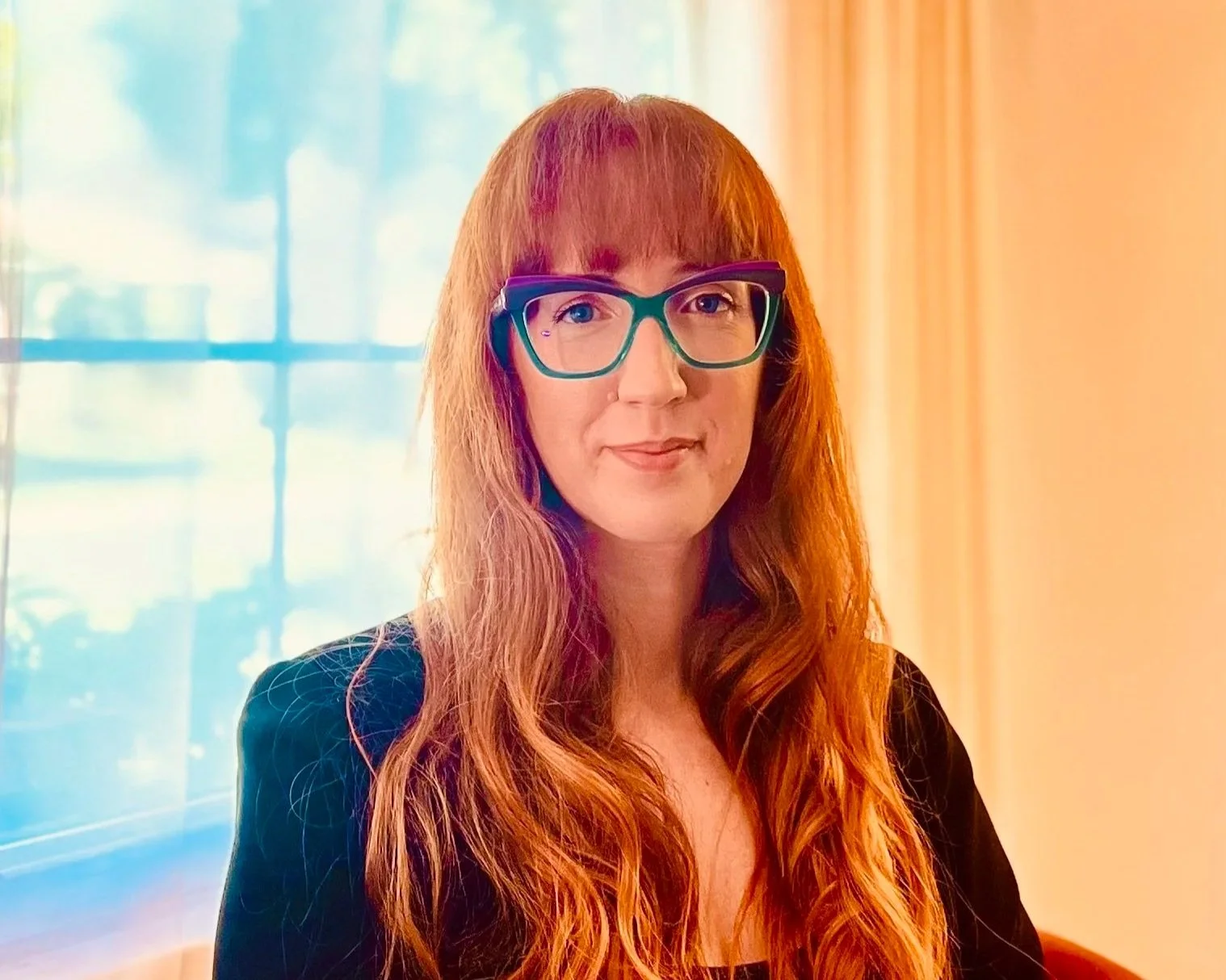
Maria Denardo, LMFT | Co-Founder, Sexual Trauma Specialist
Maria has dedicated her career to sexual trauma recovery, helping women and teen girls heal from assault, abuse, incest, and intimate partner violence. She trains other therapists in trauma treatment, and when they're stuck, she's who they call. She moves at your pace. And she gets results.
Meet Our Therapists

Co-Founder, Couples & Family TherapistKristen works with couples, families, and polycules where sexual trauma has changed how partners connect. She's trained in EMDR and has particular experience with LGBTQ+ clients and those in polyamorous or ethically non-monogamous relationships. If trauma has made intimacy, trust, or communication feel impossible in your relationship, Kristen can help you rebuild together.

Associate Trauma TherapistLizabeth works with women and girls healing from trauma, including sexual violence. Her approach blends talk therapy with somatic work and EMDR, so healing can happen in the body, not just in conversation. She also leads a weekly virtual trauma group for women.
Sexual Assault and Trauma Symptoms
Sexual assault doesn't just stay in your memory. It lives in your body, your sleep, your relationships, your sense of safety. The symptoms below aren't signs that something is wrong with you. They're your nervous system's response to something that never should have happened. Many survivors meet criteria for PTSD without realizing it.
You might notice:
Flashbacks or replaying the assault on a loop, even when you don't want to
Nightmares or waking up in a panic
Always being on guard or hypervigilant, scanning for danger even in safe places
Jumping at small sounds or movements, sometimes called a startle response
Avoiding people, places, or situations that remind you of what happened
Difficulty trusting others, or yourself
Waves of sadness, rage, or numbness that show up without warning
Shutting down or "checking out" when things feel like too much
Feeling damaged, ashamed, or like you'll never be the same
Thoughts of not wanting to be here anymore
In your body, you might experience:
Difficulty with intimacy, sex, or physical touch
Stomach knots, nausea, or digestive problems that won't go away
Racing heart, shallow breathing, or tension when something triggers you
Fatigue that doesn't lift no matter how much you rest
Feeling disconnected from your body, like you're watching your life from the outside
How Online Sexual Assault Therapy Helps
Sexual assault therapy isn't about rehashing every detail of what happened. It's about understanding how trauma is affecting you now and learning how to move forward.
Here's what therapy can look like:
Understanding why you're still affected without pressure to relive every detail
Calming your nervous system so triggers don't hijack your day
Reducing flashbacks, nightmares, and intrusive thoughts
Working through shame that was never yours to carry
Learning to trust yourself again
Reclaiming your body, including your relationship to intimacy and touch
Setting boundaries that actually hold
Changing relationship patterns that trace back to trauma
Building a life where what happened is part of your story, not the thing that controls it
Myth vs. Reality: Understanding Sexual Assault
Myth: All therapists know how to treat sexual assault.
FACT: The majority of licensed therapists never receive in-depth (or any!) clinical training in treating sexual assault. At Willow & Sage Therapy Collective, we've made that specialized expertise a focus of our practice. You're in the right place for care that's grounded in proven approaches and delivered by professionals who deeply understand this work.
Myth: Survivors show obvious signs of trauma.
FACT: There's no "correct" way to respond after an assault. Some survivors cry or shake. Others feel numb or appear calm. Many dissociate or mentally set the experience aside for years before symptoms surface. Cultural background also shapes how emotions are expressed. However you responded, it was valid.
Myth: Assault mostly happens at the hands of a stranger.
FACT: Approximately eight out of ten cases of rape and sexual assault in the U.S. involve a friend, family member, partner, or acquaintance. About 90 percent of child and teen sexual abuse is carried out by someone known and trusted by the minor. Being hurt by someone you loved or trusted adds a layer of betrayal that impacts healing in ways that can be hard to name. We understand that wound deeply.
Myth: Many people falsely claim they’ve been sexually assaulted.
FACT: False reports of rape and sexual assault are statistically rare, and on par or below all other violent crimes. 70% of survivors never report to police at all, often because they fear not being believed. Here, you will be believed. You won't have to prove anything.
Myth: If there was no physical struggle, it’s not sexual assault.
FACT: Freezing is one of the most common trauma responses. Research shows that 70% of survivors experienced significant "tonic immobility" during the assault, with nearly half reporting extreme paralysis. This freeze response is your body's way of protecting you when fighting back could lead to more harm. Not resisting doesn't mean you consented. It means you survived.
Myth: Sexual assault is driven purely by sexual desire.
FACT: Sexual assault is rooted in power and control, not attraction. Perpetrators are often motivated by entitlement, anger, or the need to dominate. Healing from sexual assault means addressing that violation of power, not questioning whether you somehow invited it.
What If I’m Not Ready to Start Therapy for Sexual Trauma?
You don't have to be ready. You don't have to have the words. You don't even have to know what you need yet.
If individual therapy feels like too big a step right now, our weekly virtual trauma group for women can be a place to start. And if you're not ready for that either, you can come back to this page whenever you need to.
You've survived something most people will never understand. You deserve a therapist who does.
Let’s Talk
Your consultation is free. 20 minutes. No pressure. Everything you share stays confidential.